 Back
Back



×


 Use this button to Sign In a OceanSpin partner account.

Use this button to Sign In a Jungliwin partner account.

Use this button to create OceanSpin a partner account.
Use this button to create Jungliwin a partner account.
 27 FEBRUARY 2026
In 2026, the global iGaming landscape is defined by speed — in product cycles, market shifts, and operational responses. Competitive pressure isn't abstract; operators and affiliates now race to launch modular platform upgrades in weeks, not months, and deploy AI-powered analytics that turn real-time data into actionable strategy almost instantly.
Market growth is uneven and rapid: emerging regions like LATAM and Africa are expanding quickly due to mobile adoption and regulatory openness, while Europe is tightening compliance, forcing operators to adapt swiftly or risk losing market access. These dynamics make slow decision cycles a real drag on revenue and competitiveness.
Player expectations have fundamentally shifted — instant payouts, near-zero latency gameplay, micro-betting opportunities, and real-time personalization now require platforms and campaigns to respond immediately to sustain retention.
Operators and partners who formalize rapid iteration and data-driven decisions are capturing more share and quality partnerships in this high-velocity environment.
Operational friction directly hits the bottom line.
Extended approval loops for marketing creatives or offers, often rooted in legacy compliance processes, delay launches during high-traffic windows and reduce both conversions and partner confidence.
Cumbersome internal reviews and siloed ownership kill momentum, especially in affiliate campaigns where timing and specificity matter.
Slow response to market data also means missed tuning of geo priorities or bid strategies, handicapping performance against faster competitors. And where accountability isn't clear, teams wait for decisions instead of driving them — turning opportunities into risks and partners into churned contacts.
In affiliate ecosystems built on performance and trust, speed determines commercial success. Quick onboarding and agile offer deployment let operators and affiliate programs start monetizing new segments before trends fade.
Flexibility in revising terms and incentives based on live performance builds stronger, reciprocal relationships with partners. Fast adaptation to regulatory changes — for example, in marketing compliance — preserves revenue flows and protects brand equity.
Affiliates value partners who deliver predictable, timely data and prompt support; hesitation erodes trust and encourages partners to shift to programs that respond faster and align with evolving market conditions. Efficient processes directly strengthen retention and ecosystem growth.
Today's iGaming players expect real-time responses — from offers that adjust mid-session to payout speeds measured in minutes. Rapid campaign adjustments driven by live data and predictive analytics improve traffic quality and reduce wasted spend, helping operators and affiliates squeeze more value from every channel.
Quick reactions to in-session behaviour (such as cash-out triggers or game preferences) also boost retention, turning casual traffic into long-term players — a key differentiator in 2026's mature, competitive market.
Fast decisions win momentum, but reckless changes invite risk. Quick tactical moves — like offer tweaks or new geo tests — work well when backed by clean data and automated compliance checks.
However, areas like regulatory sign-off, AML/KYC updates, and responsible gaming require thorough validation to prevent fines and reputational damage.
The right balance means embedding quality gates where risk is high and automating benign decisions to keep pace with the market.
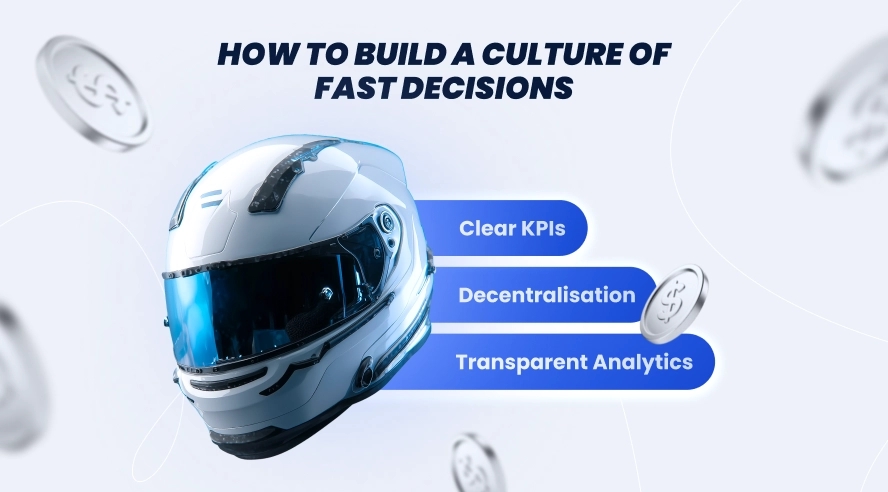
To make speed an operational advantage, companies must align talent, metrics, and tech:
Supporting these with governance frameworks and automated compliance checks lets teams move fast and stay within regulatory boundaries.
An analysis of the SOFTSWISS "iGaming Trends 2026" report shows that decision-making speed directly impacts the financial performance of operators and affiliate programs.
When speed drove growth: operators and affiliates who adopted real-time optimisation and predictive AI saw higher conversion and retention because they reacted to player signals and geo shifts faster than rivals. For example, dynamic offer sequencing based on live engagement data lifted LTV while reducing churn.
When slowness costs money: conversely, lengthy internal approvals, delayed creative updates, and manual compliance gating often caused operators to miss peak traffic windows or fall behind agile competitors. In regulated regions like Europe, a slow reaction to new advertising standards also led to blocked campaigns and penalties.
In 2026, competitive advantage in iGaming is measured by how fast you move from insight to action. Audit your internal decision cycles — because the companies that shorten reaction time today will own market share, partner trust, and player loyalty tomorrow.